- Screen Colours:
- Normal
- Black & Yellow
Some of the owners of Milden Manor since Domesday
Around 1066 - An Anglo-Norman lord called Theoderic c.1075, owned Mellinga Manor and he was followed by his brother Walter the Deacon, who held Mellinga Manor in 1086 at the time of the Domesday Book. Walter the Deacon managed all the land in demesne (except 15 acres land, 1 free man and 3 oxen) – ie it was owned by King William but retained under Walter's management as Lord of the Manor for his own use and support in this feudal system.
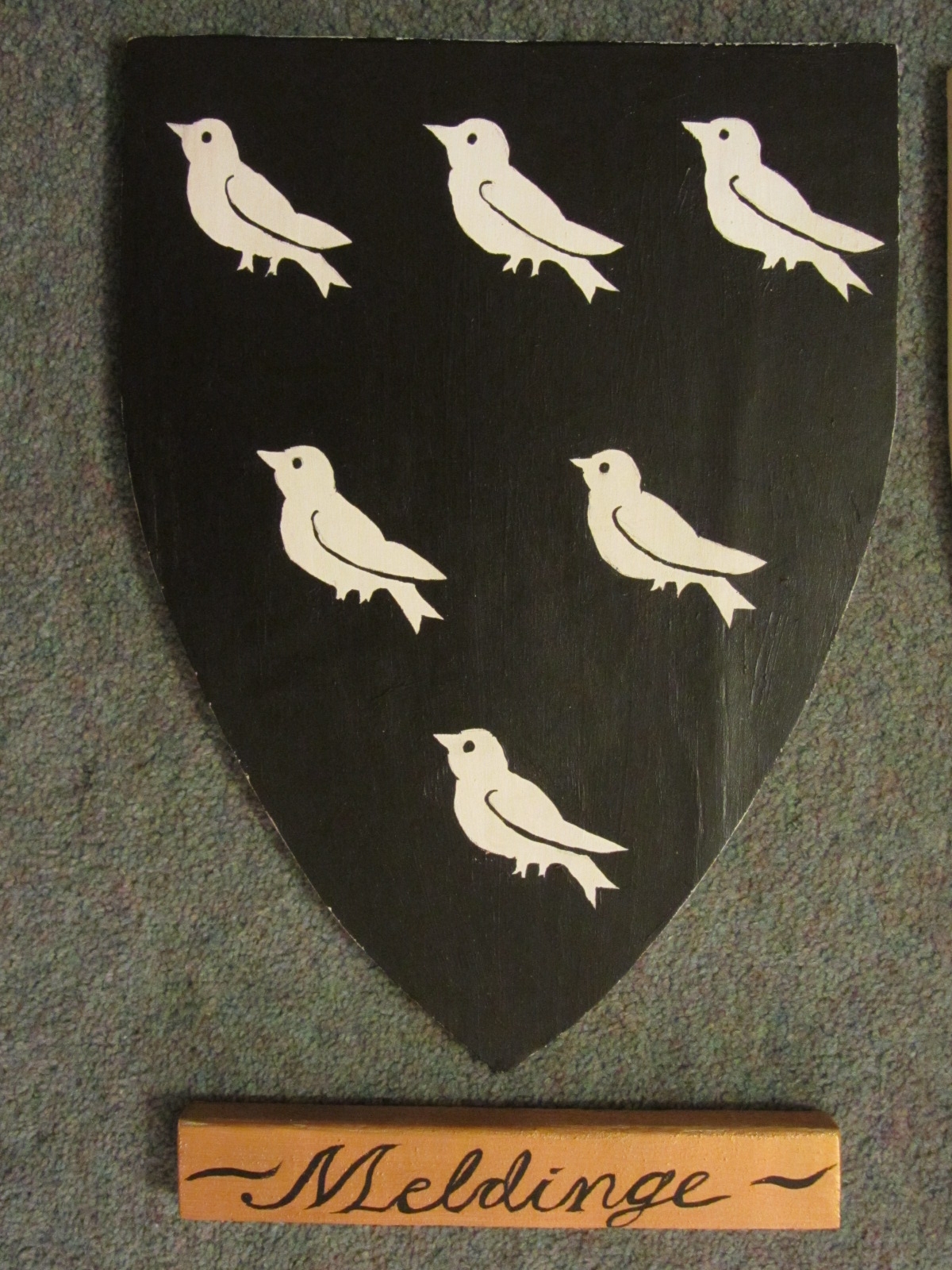
After 1086 - Five generations of the de Melding family hold Mellinga and Peter de Melding, the third generation in Milden, probably built the unlicensed and short-lived Milden Castle
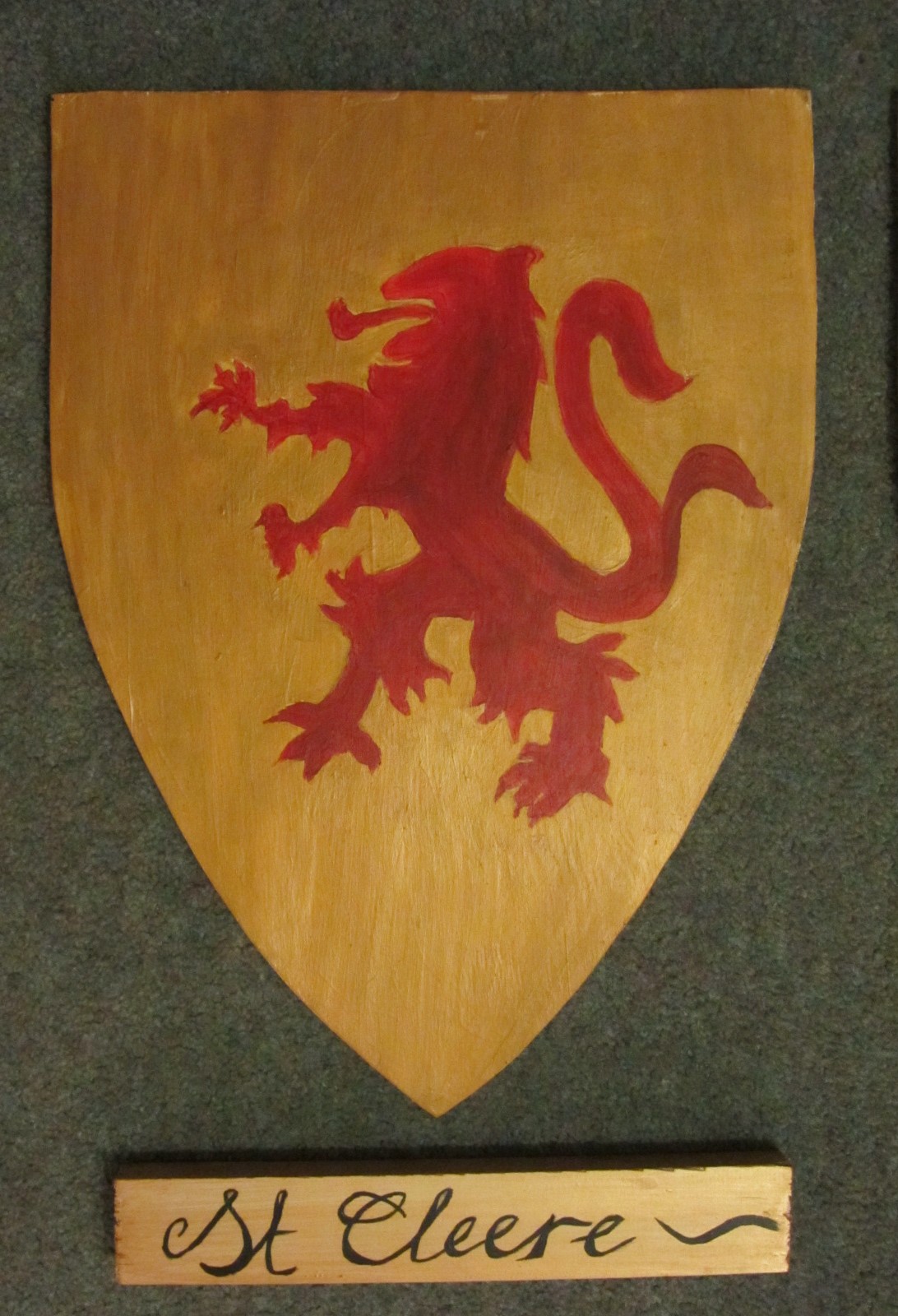
After 1329 - Sir Guy (Guido, Gwido) de St Clare (Sancto Claro, Seintcler) married Margery, widow of Rymer (Remigius) de Meldygnes and acquired a large part of Milden and was able to nominate the village priest. Sir Guy was an escheator and sheriff which essentially meant he upheld the king's rights as feudal lord, and settled disputes and inheritances. As well as his legal responsibilities he had his military ones too – he gathered men to fight in the king’s wars and kept them fed.
In the early 1300s - Two generations of the de Bures family also held land or had rights of ‘free warren’ in Melding Manor – Robert de Bures (1265-1331) and Sir Andrew de Bures. They both held huge amounts of property in Bures, Lavenham, Long Melford, Monks Eleigh, Kettlebaston, Cockfield, Great and Little Waldingfield, Acton. Members of their family may have lived at what was called Bures/Bowery Manor, today’s Moat Farm.
The Denardiston family also owned land in and around Mildinge Manor and Wells Hall Manor in the 13th and 14th centuries.
From 1370-1418 the Sutton family appear to hold Milding Manor and could appoint the priest. Their family are linked to both the de Bures and the Howards through marriages.
In the 1400s: The very wealthy Howard family become owners of Milding Manor. The second Sir John Howard to own it (1420-1485) lived at Tendring Hall, Stoke by Nayland until he was created Duke of Norfolk in 1483. He was Constable of the Tower, Captain General of the Kings Fleet in 1478, and Treasurer of the Royal household. In consideration of his great services to the crown, he was ‘given’ numerous manors including Preston, Cockfield, Lavenham. and others in Essex, Dorset and Norfolk. By the end of Edward IV’s reign Sir John Howard was seen as the most trusted supporter of the crown in East Anglia. He was on the Essex Bench as well as being Constable of Colchester Castle and thus responsible for the county gaol. With many of his colleagues on the local Benches, Howard dined, hunted and played tennis either in Suffolk or London. He was buried in Framlingham. Sir John Howard 1st Duke of Norfolk's first wife was Lady Katherine de Moleyns (d1465) – coincidentally related to Juliet Hawkins living at Milden Hall today!
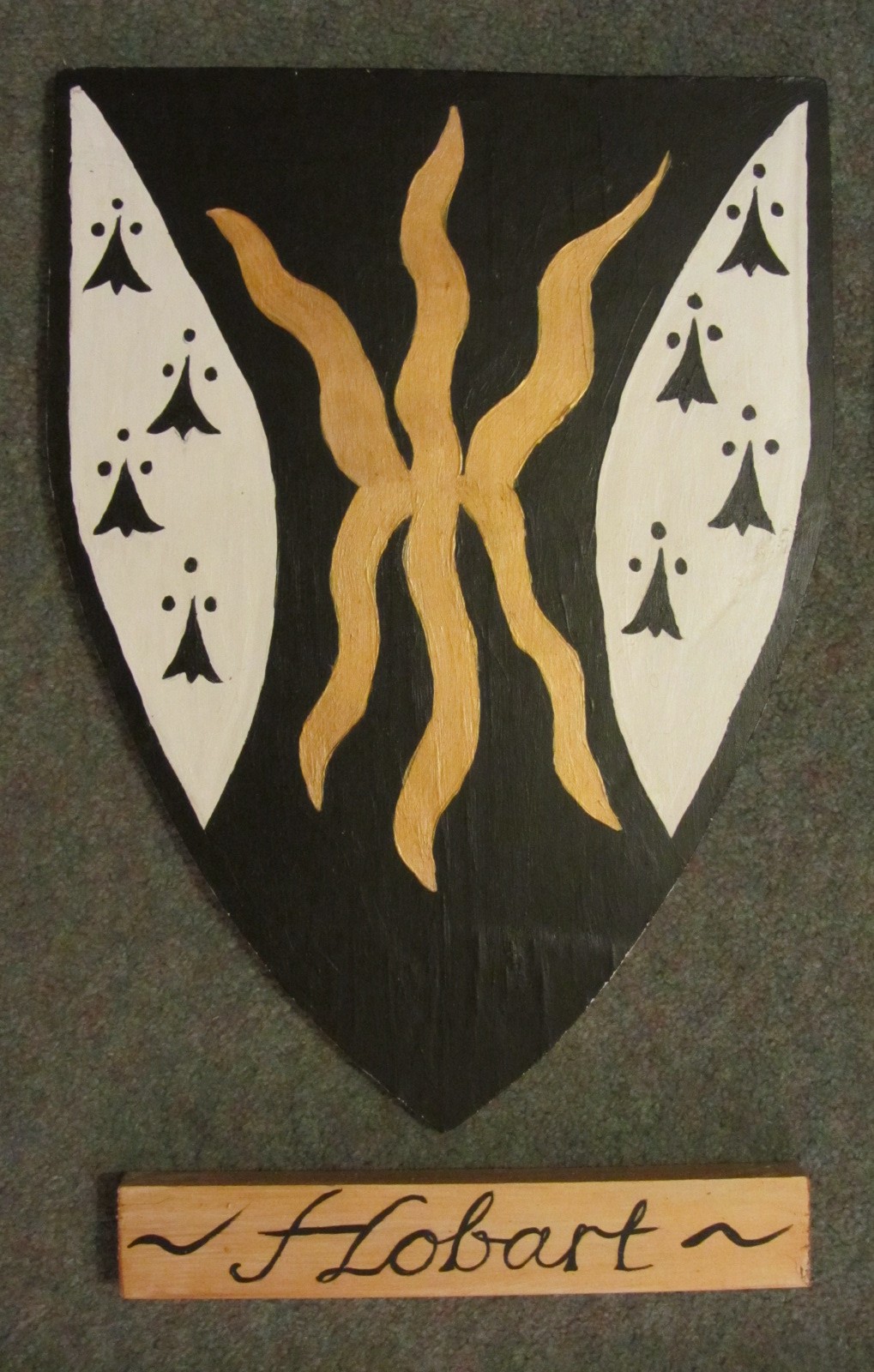
1477-1546 Sir James Hobart from Monks Eleigh was rewarded for being Sir John Howard’s solicitor by being given Milding Manor which then passed on to two more Howard generations. Sir James, born in Monks Eleigh was very able, and became very wealthy, well-respected and powerful in a turbulent and dangerous age. He acquired his rich wives' properties by 'courtesy' as was the law then. He left 28 manors to his family when he died. ‘Hobarts’ the house in Back Lane, Monks Eleigh is depicted in a stained-glass window of Loddon Church in Norfolk.
1546-1577 The rich, merchant clothier Spring family owned Milden Hall Estate for a couple of generations with probable tenant, John Mendham, before selling to Thomas Feltham who farmed in Milden briefly.
Milden history provided by Juliet Hawkins